Art Gallery — Overview
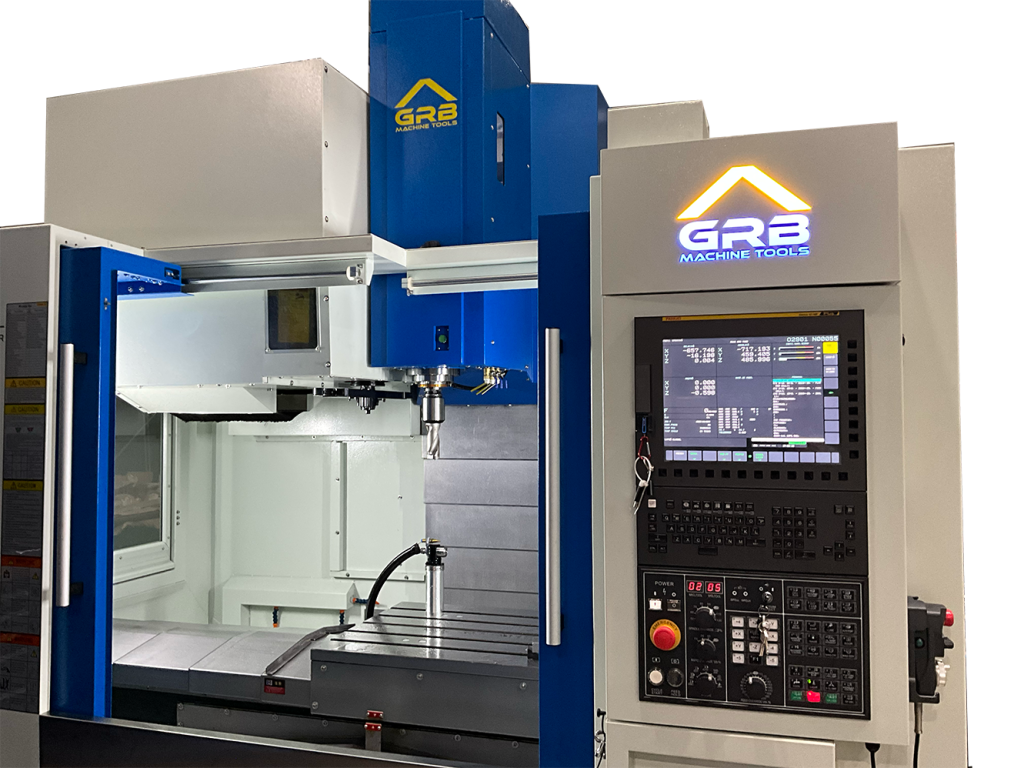
Conventional Mill & Drill is past, VMC is better for production of parts.
The High Performance Series machines feature heavier machine castings, big ballscrews and heavy duty linear guideways that provide superior surface finishes, excellent thermal stability, and quiet operation during heavy cutting.
The revitalized art gallery is set to redefine cultural landscape.
With meticulous attention to detail and an uncompromising commitment to excellence, we deliver machine tools that boost productivity, raise machining accuracy, and strengthen the confidence of the people who run them—day after day, part after part.
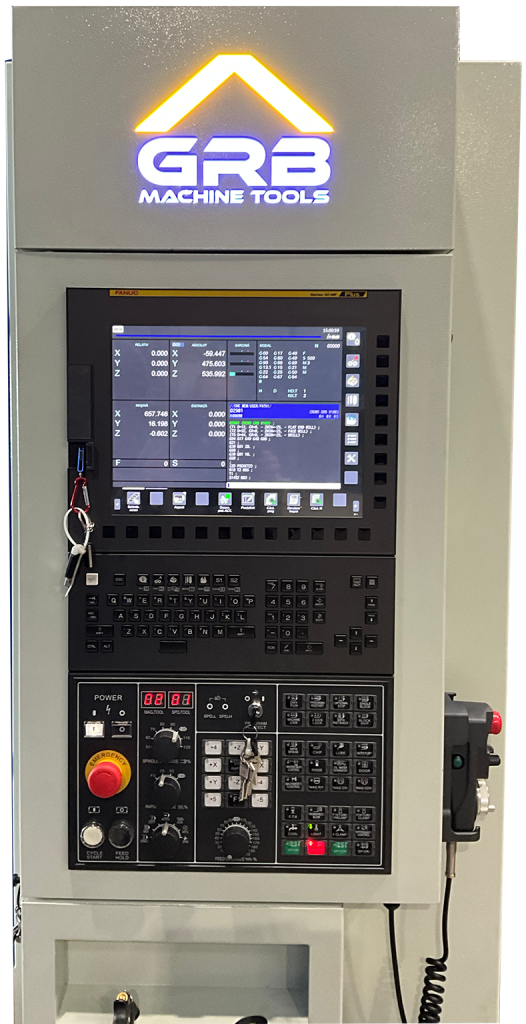
GRB Machine Tools has established in-depth partnerships with globally renowned CNC control manufacturers, carrying out secondary development to tailor control, kinematics, and user workflows to real shop-floor needs. In parallel, we are investing in the development of our own next-generation Super Geometric Intelligence platform—ZMATROL—to raise the bar on accuracy, stability, and ease of operation across GRB lathes and VMCs.
Across both turning and milling ranges, our control strategy is built around one principle: cutting-edge capability without operator complexity. Whether the priority is high-speed contouring on a VMC, rigid tapping and smooth surface finishes, or stable turning performance under heavy load, GRB machines integrate modern CNC architectures that help shorten setup time, reduce scrap, and keep cycle times predictable.
GRB Machine Tools is built for what manufacturers need now—and what they’ll need next. We focus on modern machine design that delivers higher rigidity, smarter control, and faster production performance on today’s shop floors.
The Rigidity is Hidden in the Design Details
Rigidity isn’t a single specification—it’s the sum of dozens of structural choices that determine how a machine behaves under real cutting load. GRB machines are engineered around short, direct force paths, carefully reinforced cast structures, and optimized rib layouts that suppress vibration where it starts. Wide guideway spacing and balanced axis layouts improve resistance to torsion, which translates into better surface finish, tighter tolerances, and repeatability over long production runs.
Equally important, rigidity must stay consistent over time. That’s why GRB focuses on stable geometry, controlled assembly procedures, and design features that reduce sensitivity to thermal drift. The result is a machine that holds accuracy not only in inspection, but during continuous operation—where cutting forces, temperature changes, and rapid motion normally expose weaknesses.
Our comprehensive suite of professional services supports a wide range of manufacturers—from job shops to high-volume production facilities. Backed by a commitment to innovation and long-term reliability, we help customers implement the right machine solutions, optimize processes, and sustain performance throughout the equipment lifecycle.
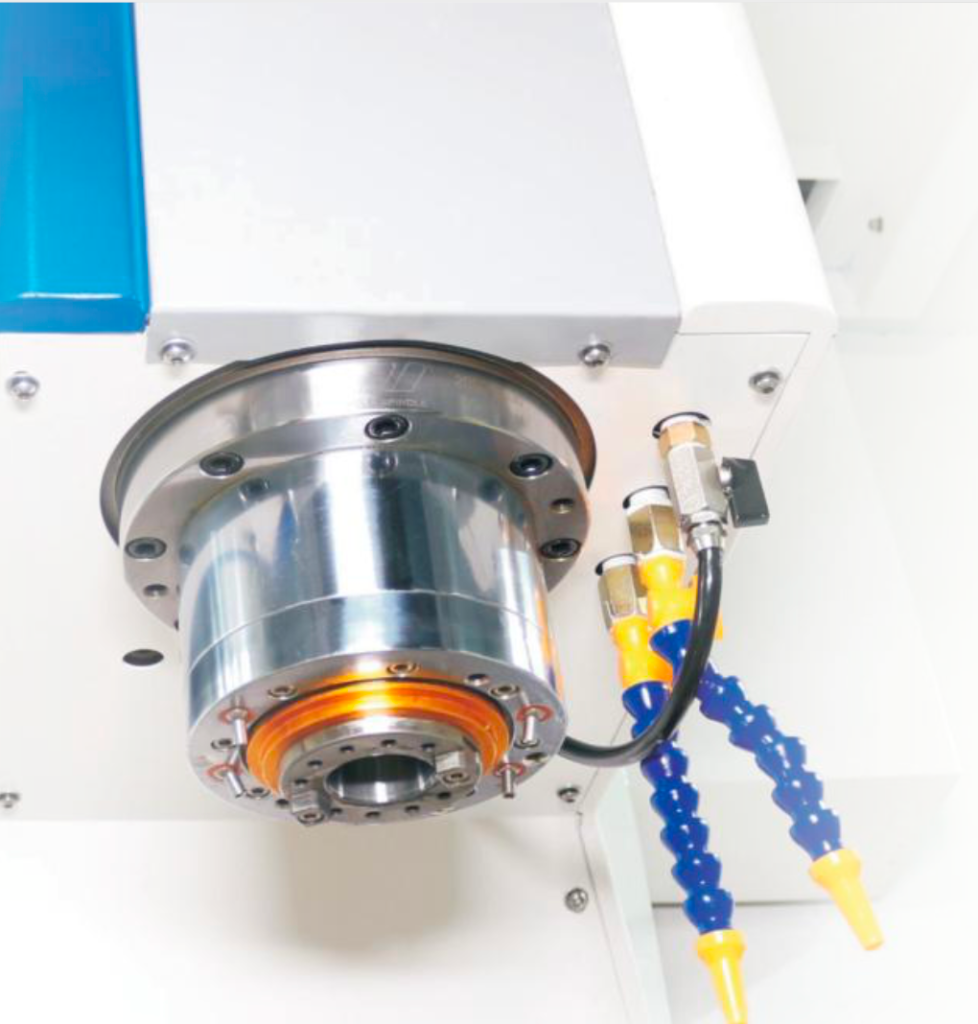
High-performance Spindle
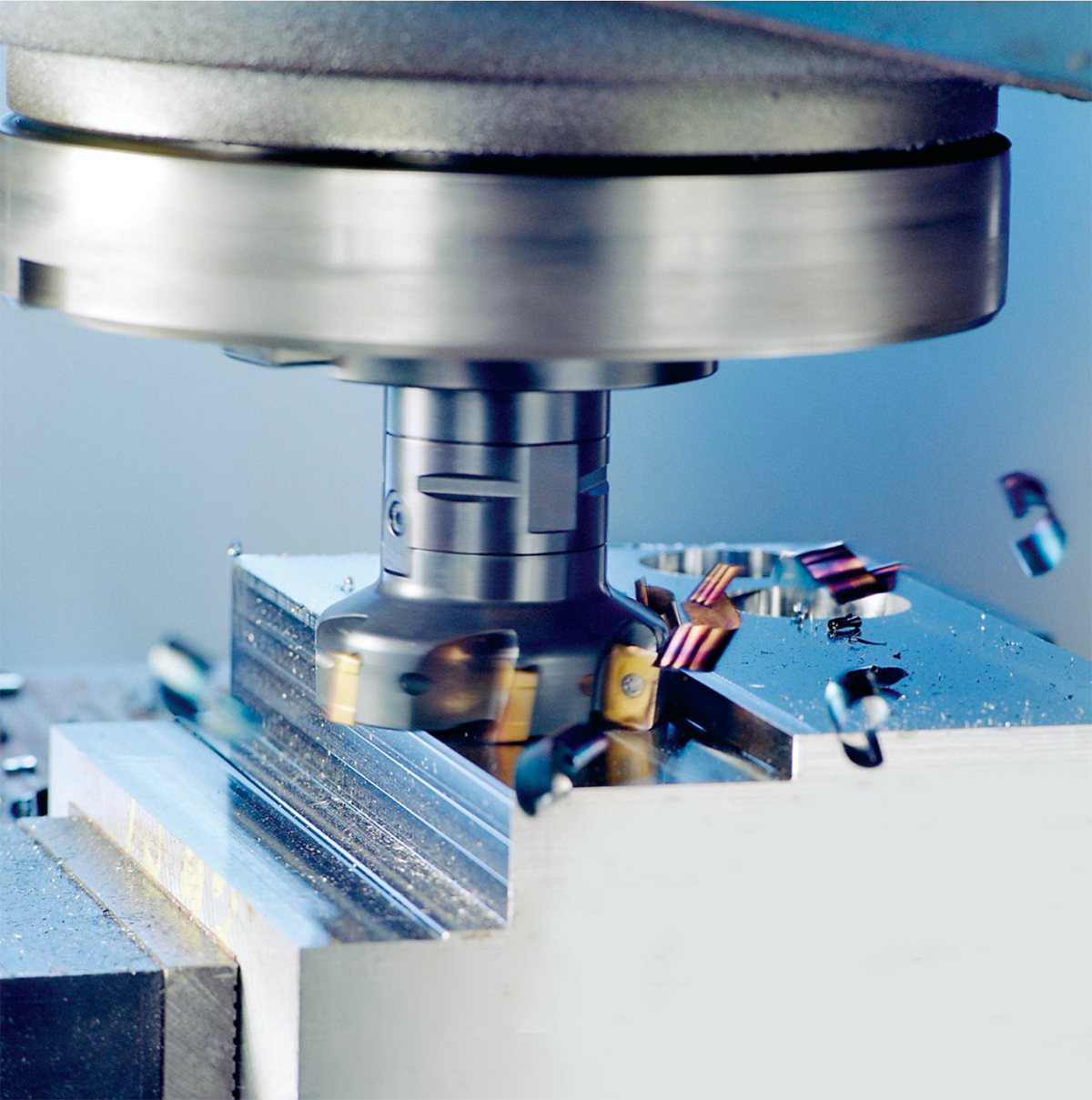
The spindle is the heart of the machining process: it defines how confidently you can remove material, how clean the surface finish will be, and how stable the process remains at high speed. GRB equips its VMC and portal platforms with high-performance spindles designed for both torque and responsiveness—supporting heavy roughing when needed, yet maintaining smooth rotation for finishing and precision contouring.
High spindle performance is not just about rpm; it’s about bearing design, cooling strategy, and stiffness under load. GRB spindle configurations are selected to support stable cutting, consistent tool life, and predictable results across a wide range of materials. For production, that means fewer process interruptions, less chatter risk, and a more repeatable path from program to part.
High-Production Tool Changer with Super-Fast Exchange Speed
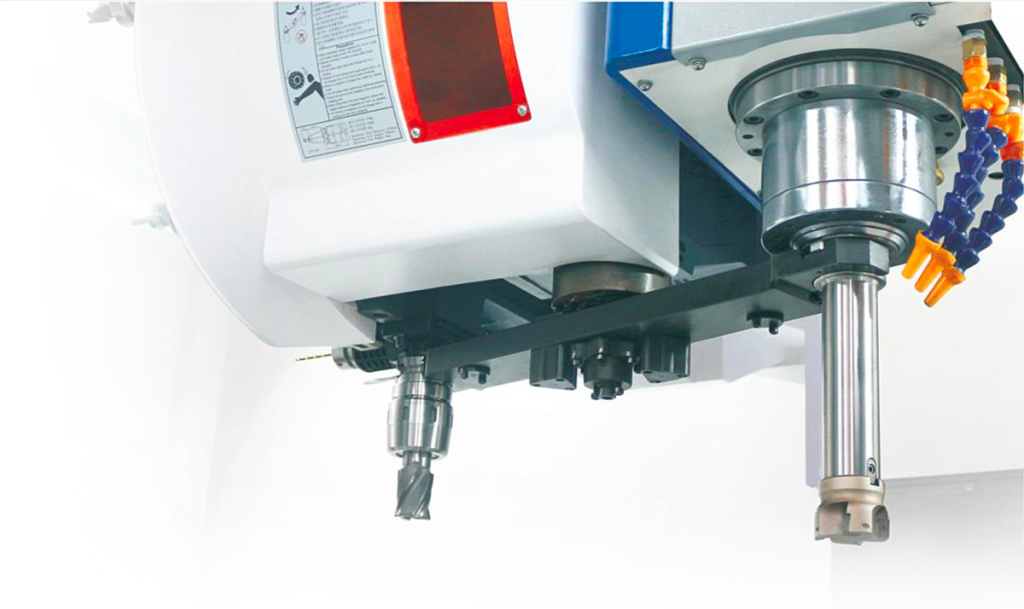
A high-capacity automatic tool changer (ATC) with 24 / 30 / 40 / 60 tool storage options boosts productivity by reducing manual intervention and shortening setup time. The double-arm gripper delivers rapid, consistent tool swaps—minimizing non-cutting time and keeping cycle times predictable in both job-shop and serial production.
By positioning the tool changer outside the machining envelope, the system preserves valuable workspace, improves access for large fixtures or rotary tables, and helps keep tool pockets cleaner by reducing exposure to chips and coolant. For added flexibility, adjacent pockets can be left empty to accommodate oversize tools, allowing the machine to handle a broader range of operations without compromise.